
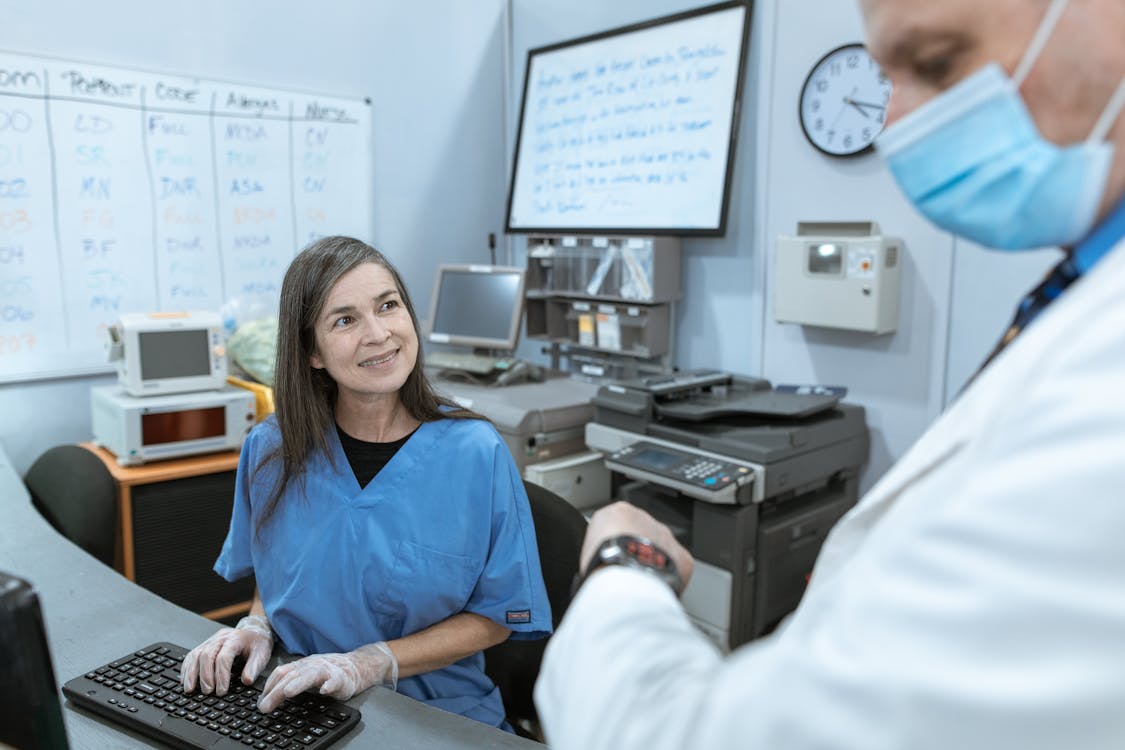
May 6 through May 12 is National Nurses Week, and I want to spend some of it here, writing to you, the people nurses spend their careers thinking about.
I’m still working in Same Day Surgery at DCH while I build this practice. I’ve been in nursing for 34 years now, starting as a 24-year-old in the emergency department of a small rural hospital in Greensboro, Alabama, where patients called the ambulance the “sick wagon” and where I first understood that the distance between medical language and patient understanding wasn’t just a gap. It was a wall. And I’ve spent my entire career trying to help people get through it.
This week I want to tell you what I’ve watched happen, over and over, in hospital rooms and surgical units and ICUs across 34 years of nursing.
What You’ll Learn
- What nurses are doing when you can’t see them, and why it matters for patients and families
- What 34 years of watching patients recover has taught me about what actually helps
- Why I started this practice and what I hope it gives you and your family
What Families Don’t See
I’ve worked in emergency departments, medical ICUs, surgical units, total joint care, and same-day surgery. Every one of those settings taught me the same thing: nurses are doing far more than what’s visible to patients and families from a hospital room.
When the nurse walks out, they aren’t resting. They are charting the conversation you just had, calling the physician about a lab value that changed, checking another patient’s blood pressure, looking up a medication interaction, or flagging a discharge plan that doesn’t account for the fact that your loved one lives alone on the second floor of an apartment building with no elevator. Sometimes the nurse is across the hall with someone whose situation just became urgent, someone you’ve never met, in a building where something serious is always happening somewhere.
Families sometimes feel forgotten during a hospital shift. The nurse doesn’t come back for forty minutes. I understand why that feels like neglect. But your nurse is thinking about your person even when they’re not in the room. That is as true as anything I know.
What I’ve Seen Make a Real Difference
Across all those years and all those settings, the thing I’ve seen make the most consistent difference in how patients recover isn’t the treatment plan. It’s whether the patient and their family understood what was happening.
Patients who knew why they were on a blood thinner took it. When families understood the hospitalist model, a stranger walking into the room didn’t cause panic. It was just the hospital doing what hospitals do. And knowing that shift change required uninterrupted time meant that the 7 PM quiet didn’t feel like abandonment. It felt like a system working the way it was built to work.
Understanding didn’t make hard situations easy. What it did was make hard situations manageable. And manageable situations, the kind where a family can ask a clear question and recognize a clear answer, have better outcomes than ones where everything feels like a mystery.
This isn’t a new idea. Nurses have known it for decades. The problem is that modern healthcare doesn’t give most nurses the time to sit down and explain everything a patient needs to know before they leave the hospital. The demands are too many, and the time is too short.
Why I Started This Practice
I built Shira’s Patient Advocacy Services because I kept having the same conversation outside of work. Friends calling me from a hospital waiting room, not understanding a lab value. Family members sending me discharge papers they couldn’t make sense of. Former colleagues reaching out because their mother had been admitted and they didn’t know what questions to ask, or whether they even had the right to ask them.
I was already doing this work. The difference now is that I can do it intentionally, for people who need it and who might not have a nurse in the family to call.
You don’t have to know medicine to be a good advocate for yourself or someone you love. You just have to know what questions to ask, when to ask them, and that you have every right to keep asking until you get a real answer. That’s what I’m here to help you figure out.
A Note for This Week
If someone in your life works in healthcare, whether they’re a nurse, a nursing assistant, a unit clerk, or a tech, this is a good week to say thank you. Not just because it’s a designated week, but because healthcare workers are operating in conditions that most people don’t see and rarely think about.
And to every nurse who has stayed late, who has cried in the car on the way home, who has sat with a frightened patient at 2 AM because no one else was there: thank you. I see you, because I am you.
If you’re walking alongside a loved one through an illness or a hospital stay right now, I want you to know that what you’re doing is not small. Showing up, asking questions, making sure someone gets the follow-up appointment they need. That is the work. You don’t need a nursing license to do it well.
You just need to be present, and to know that you deserve real answers.